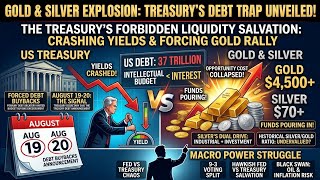
Gold Above $4,500. Silver Above $70. What Is Really Happening Behind the Scenes?
リアクション
2026年08月28日
Gold has broken above the $4,500 level, while silver has surged past $70. But the biggest story may not be the price action itself.
Behind the explosive rally in precious metals lies a much larger macroeconomic battle involving the U.S. Treasury, long-term Treasury yields, government debt, Federal Reserve policy, and global liquidity.
In this video, we take a deep dive into five major forces driving the latest gold and silver rally.
1. The U.S. Treasury Buyback Strategy
Why is the U.S. Treasury increasing its buyback activity in longer-dated government bonds?
Is this simply routine debt management—or is it becoming a much more important tool for managing rising borrowing costs and pressure in the Treasury market?
We examine what Treasury buybacks could mean for bond yields, liquidity, and the broader financial system.
2. The Hidden Connection Between Treasury Yields and Gold
Gold does not pay interest. That makes real and nominal bond yields a critical part of its opportunity cost.
If long-term Treasury yields begin to decline, the relative attractiveness of holding gold can increase significantly.
Could changing expectations for long-term yields be one of the key reasons behind the aggressive repricing of gold?
3. Why Silver Could Outperform Gold
Silver is not simply a monetary metal.
It is also a critical industrial commodity used across solar energy, electronics, electric vehicles, and advanced technologies.
With a smaller and potentially less liquid market than gold, relatively modest changes in institutional demand can create much larger price movements.
This creates a unique combination of monetary demand + industrial demand.
4. Central Banks and the Global Shift Toward Gold
Central banks around the world continue to accumulate gold reserves.
Is this simply diversification—or does it represent a deeper change in how sovereign institutions think about U.S. dollar risk, geopolitical uncertainty, and the long-term credibility of fiat currencies?
The answer could have major implications for gold over the coming years.
5. The Fed vs. Treasury Policy Conflict
Perhaps the biggest risk to the current precious-metals rally is the potential conflict between fiscal policy and monetary policy.
If energy prices surge again and inflation expectations rise, the Federal Reserve could face pressure to maintain a tighter policy stance—even while the Treasury has strong incentives to keep financing conditions manageable.
That creates a potentially explosive policy dilemma:
Higher oil prices → higher inflation → a more hawkish Fed → higher yields → rising opportunity costs for gold.
Could this become the biggest threat to the current gold and silver rally?
The key question is no longer simply:
“How high can gold go?”
The bigger question is:
What is the market actually pricing into the future of U.S. debt, Treasury yields, the dollar, and global liquidity?
Gold and silver may be doing more than reacting to geopolitical risk. They could be signaling a broader reassessment of sovereign debt, monetary credibility, and the global financial system.
With the next Federal Reserve policy meeting approaching, the battle between inflation, interest rates, Treasury financing needs, and market liquidity could become even more important.
Watch the full video to understand the macro forces behind the numbers—and why the next move in gold and silver may depend on much more than precious-metals demand.
Disclaimer: This video is for educational and informational purposes only and does not constitute financial or investment advice. Precious metals and financial markets are highly volatile. Always conduct your own research and consider your risk tolerance before making any investment decisions.
Behind the explosive rally in precious metals lies a much larger macroeconomic battle involving the U.S. Treasury, long-term Treasury yields, government debt, Federal Reserve policy, and global liquidity.
In this video, we take a deep dive into five major forces driving the latest gold and silver rally.
1. The U.S. Treasury Buyback Strategy
Why is the U.S. Treasury increasing its buyback activity in longer-dated government bonds?
Is this simply routine debt management—or is it becoming a much more important tool for managing rising borrowing costs and pressure in the Treasury market?
We examine what Treasury buybacks could mean for bond yields, liquidity, and the broader financial system.
2. The Hidden Connection Between Treasury Yields and Gold
Gold does not pay interest. That makes real and nominal bond yields a critical part of its opportunity cost.
If long-term Treasury yields begin to decline, the relative attractiveness of holding gold can increase significantly.
Could changing expectations for long-term yields be one of the key reasons behind the aggressive repricing of gold?
3. Why Silver Could Outperform Gold
Silver is not simply a monetary metal.
It is also a critical industrial commodity used across solar energy, electronics, electric vehicles, and advanced technologies.
With a smaller and potentially less liquid market than gold, relatively modest changes in institutional demand can create much larger price movements.
This creates a unique combination of monetary demand + industrial demand.
4. Central Banks and the Global Shift Toward Gold
Central banks around the world continue to accumulate gold reserves.
Is this simply diversification—or does it represent a deeper change in how sovereign institutions think about U.S. dollar risk, geopolitical uncertainty, and the long-term credibility of fiat currencies?
The answer could have major implications for gold over the coming years.
5. The Fed vs. Treasury Policy Conflict
Perhaps the biggest risk to the current precious-metals rally is the potential conflict between fiscal policy and monetary policy.
If energy prices surge again and inflation expectations rise, the Federal Reserve could face pressure to maintain a tighter policy stance—even while the Treasury has strong incentives to keep financing conditions manageable.
That creates a potentially explosive policy dilemma:
Higher oil prices → higher inflation → a more hawkish Fed → higher yields → rising opportunity costs for gold.
Could this become the biggest threat to the current gold and silver rally?
The key question is no longer simply:
“How high can gold go?”
The bigger question is:
What is the market actually pricing into the future of U.S. debt, Treasury yields, the dollar, and global liquidity?
Gold and silver may be doing more than reacting to geopolitical risk. They could be signaling a broader reassessment of sovereign debt, monetary credibility, and the global financial system.
With the next Federal Reserve policy meeting approaching, the battle between inflation, interest rates, Treasury financing needs, and market liquidity could become even more important.
Watch the full video to understand the macro forces behind the numbers—and why the next move in gold and silver may depend on much more than precious-metals demand.
Disclaimer: This video is for educational and informational purposes only and does not constitute financial or investment advice. Precious metals and financial markets are highly volatile. Always conduct your own research and consider your risk tolerance before making any investment decisions.