The Gold Taken From Americans in 1933 Was Never Publicly Weighed — Then Antarctica Closed
リアクション
2026年08月18日
🔥 Don’t forget to subscribe and turn on notifications for more forgotten financial history, government records, and mysteries surrounding America's gold reserves. If you enjoy uncovering hidden history, Cold War secrets, unexplained historical connections, and the stories behind major government decisions, join our growing community and never miss an upload! 🔔
https://www.youtube.com/@TheWithheldRecord?sub_confirmation=1
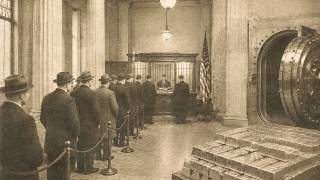
In 1933, the United States made one of the most dramatic changes to its monetary system.
President Franklin D. Roosevelt issued an order requiring most Americans to surrender privately held monetary gold to the government, with specific exemptions. Gold flowed into the banking and Treasury system at a time when the country was struggling through the Great Depression.
But a strange question has persisted ever since:
Was all of that gold ever publicly weighed and independently verified?
And why does this question sometimes get connected to Antarctica?
The timeline is certainly intriguing.
In 1933, Americans surrendered gold under a government program designed to stabilize the banking system and monetary system.
In the years that followed, the government's gold reserves became enormous.
Then, in 1959, twelve nations signed the Antarctic Treaty, establishing a framework for peaceful activity and scientific cooperation on the continent.
But coincidence is not evidence.
The historical record provides a much more complicated picture.
The gold collected under the 1933 restrictions entered the U.S. monetary system. Treasury records documented gold receipts, holdings, transactions, and reserves. The government also maintained extensive accounting records concerning the nation's monetary gold.
Gold reserves were accounted for in official financial reports, and Treasury records provide figures for the government's holdings.
Gold is measured and accounted for through a highly structured system. Official records distinguish between gross weight, fine weight, coin, bullion, and other categories. Audits and examinations also occurred at government storage facilities.
One particularly important examination took place in 1953, when Treasury officials inspected three of Fort Knox's twenty-two compartments. The audit found approximately 34.4 million fine ounces of gold, matching the recorded amount in those compartments.
That does not mean every ounce of U.S. gold was publicly displayed or individually weighed in front of the public.
The Antarctic Treaty of 1959 did not literally "close Antarctica."
Instead, the twelve original signatories established a framework emphasizing peaceful purposes, scientific investigation, and international cooperation. Territorial claims were effectively placed within a special treaty framework rather than settled.
Later agreements introduced stronger environmental protections and restrictions on mineral-resource activities.
That distinction is critical.
There is no established historical evidence that the 1933 American gold program and the 1959 Antarctic Treaty were part of the same secret operation.
But the chronology has produced a compelling modern mystery.
Gold was gathered.
Government reserves grew.
Fort Knox became increasingly important.
And then Antarctica became one of the most internationally regulated places on Earth.
In this video, we investigate the documented history behind those events, examining the 1933 gold restrictions, Treasury accounting, Fort Knox audits, American monetary reserves, the International Geophysical Year, and the Antarctic Treaty of 1959. We separate verifiable financial records from theories that attempt to connect America's gold with the frozen continent. 🪙❄️📜
Travel back to the 1930s, when America's financial system was under enormous pressure, and then forward into the 1950s, when the Cold War was reshaping international politics.
But did one event cause the other?
Or did later storytellers connect two unrelated historical developments because the timeline seemed too strange to ignore?
Whether you're fascinated by American gold, Fort Knox, the Great Depression, Antarctica, Cold War history, international treaties, financial mysteries, or hidden history, this investigation follows the evidence rather than assuming the conclusion. 🔍
Watch until the end and decide for yourself: was America's gold fully accounted for through the government's documented monetary system, or does the surviving record leave room for unanswered questions?
And why did Antarctica become subject to such extraordinary international restrictions?
💬 What do you think is the most interesting part of the story—the 1933 gold program, the Fort Knox audits, or the 1959 Antarctic Treaty? Share your research and theories in the comments below.
📜 Sometimes a mystery begins with something that really happened. The challenge is discovering where the documented history ends and the legend begins.
https://www.youtube.com/@TheWithheldRecord?sub_confirmation=1
In 1933, the United States made one of the most dramatic changes to its monetary system.
President Franklin D. Roosevelt issued an order requiring most Americans to surrender privately held monetary gold to the government, with specific exemptions. Gold flowed into the banking and Treasury system at a time when the country was struggling through the Great Depression.
But a strange question has persisted ever since:
Was all of that gold ever publicly weighed and independently verified?
And why does this question sometimes get connected to Antarctica?
The timeline is certainly intriguing.
In 1933, Americans surrendered gold under a government program designed to stabilize the banking system and monetary system.
In the years that followed, the government's gold reserves became enormous.
Then, in 1959, twelve nations signed the Antarctic Treaty, establishing a framework for peaceful activity and scientific cooperation on the continent.
But coincidence is not evidence.
The historical record provides a much more complicated picture.
The gold collected under the 1933 restrictions entered the U.S. monetary system. Treasury records documented gold receipts, holdings, transactions, and reserves. The government also maintained extensive accounting records concerning the nation's monetary gold.
Gold reserves were accounted for in official financial reports, and Treasury records provide figures for the government's holdings.
Gold is measured and accounted for through a highly structured system. Official records distinguish between gross weight, fine weight, coin, bullion, and other categories. Audits and examinations also occurred at government storage facilities.
One particularly important examination took place in 1953, when Treasury officials inspected three of Fort Knox's twenty-two compartments. The audit found approximately 34.4 million fine ounces of gold, matching the recorded amount in those compartments.
That does not mean every ounce of U.S. gold was publicly displayed or individually weighed in front of the public.
The Antarctic Treaty of 1959 did not literally "close Antarctica."
Instead, the twelve original signatories established a framework emphasizing peaceful purposes, scientific investigation, and international cooperation. Territorial claims were effectively placed within a special treaty framework rather than settled.
Later agreements introduced stronger environmental protections and restrictions on mineral-resource activities.
That distinction is critical.
There is no established historical evidence that the 1933 American gold program and the 1959 Antarctic Treaty were part of the same secret operation.
But the chronology has produced a compelling modern mystery.
Gold was gathered.
Government reserves grew.
Fort Knox became increasingly important.
And then Antarctica became one of the most internationally regulated places on Earth.
In this video, we investigate the documented history behind those events, examining the 1933 gold restrictions, Treasury accounting, Fort Knox audits, American monetary reserves, the International Geophysical Year, and the Antarctic Treaty of 1959. We separate verifiable financial records from theories that attempt to connect America's gold with the frozen continent. 🪙❄️📜
Travel back to the 1930s, when America's financial system was under enormous pressure, and then forward into the 1950s, when the Cold War was reshaping international politics.
But did one event cause the other?
Or did later storytellers connect two unrelated historical developments because the timeline seemed too strange to ignore?
Whether you're fascinated by American gold, Fort Knox, the Great Depression, Antarctica, Cold War history, international treaties, financial mysteries, or hidden history, this investigation follows the evidence rather than assuming the conclusion. 🔍
Watch until the end and decide for yourself: was America's gold fully accounted for through the government's documented monetary system, or does the surviving record leave room for unanswered questions?
And why did Antarctica become subject to such extraordinary international restrictions?
💬 What do you think is the most interesting part of the story—the 1933 gold program, the Fort Knox audits, or the 1959 Antarctic Treaty? Share your research and theories in the comments below.
📜 Sometimes a mystery begins with something that really happened. The challenge is discovering where the documented history ends and the legend begins.