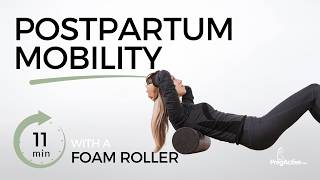
11 min Foam Roller for Postpartum Mothers to release tension
リアクション
2026年03月31日
Designed for postpartum mothers who are tense or tight around the back, shoulders, hips and even the pelvic floor! If you have an overactive pelvic floor (hypertonic pelvic floor), then this is for you!
Breathe, release and allow the foam roller to help relax your body via myofacscial release massage. Just 11-minutes long, this is a short yet simple routine. You just need a foam roller!
Ease postpartum tension and reclaim your body with this gentle 11-minute foam roller routine designed specifically for postpartum mothers! 🧘♀️
After giving birth, many new moms experience tight shoulders, upper back knots, neck strain from breastfeeding and "mom posture," lower back discomfort from carrying baby, hip tightness, and overall muscle fatigue.
This quick, at-home foam rolling session uses self-myofascial release to melt away built-up tension, improve circulation, boost mobility, and support faster recovery — all while being mindful of your healing body.
No advanced skills needed — just grab your foam roller (soft or medium density recommended for beginners postpartum) and follow along with slow, controlled movements.
Focus on key areas: upper back and thoracic spine for posture correction, glutes and hips for pelvic floor support, IT bands and quads to reduce pulling on the lower back, and gentle chest openers to counteract hunching over baby.
Techniques include rolling out knots with deep breathing, pausing on tender spots for release, and incorporating light stretches for lasting relief.
Why foam rolling is a game-changer for postpartum recovery:
1. Releases muscle tightness from pregnancy, labor, and newborn care
2. Improves posture strained by nursing, carrying, and sleep deprivation
3. Increases blood flow to aid healing and reduce soreness
4. Supports pelvic floor function by addressing connected kinetic chain (glutes, hips, back)
5. Promotes relaxation and stress relief in those early overwhelming weeks/months
Perfect for 4–12+ weeks postpartum (or whenever cleared by your doctor), this routine helps with common complaints like breastfeeding shoulder/neck pain, "mom hunch," sciatica-like tension, and general body aches. Always start slow, breathe deeply, and stop if anything feels painful — postpartum bodies heal at their own pace.
Important safety note: Consult your healthcare provider, pelvic floor PT, or doctor before starting, especially if you have diastasis recti, C-section recovery, pelvic floor issues, or any pain. Modify as needed and listen to your body!
If you're looking for foam roller postpartum exercises, postpartum tension release routine, safe foam rolling for new moms, breastfeeding posture relief, or gentle recovery tools, this is for you! Hit play for instant soothing relief and make self-care part of your daily mom routine.
Subscribe for more postpartum workouts, pelvic floor safe routines, foam rolling tips, and gentle recovery flows to help you thrive in motherhood. Comment below: How many weeks/months postpartum are you?
Which area feels tightest? 💬 Share with a new mama friend!
Timestamps:
0:00 Intro & Postpartum Safety Tips
1:15 Upper Back & Thoracic Release
3:00 Shoulders & Neck Gentle Roll
4:45 Glutes & Hip Openers
6:30 IT Band & Outer Hip
8:00 Quads & Hip Flexors
9:30 Chest Opener & Posture Flow
10:30 Cool Down Breathing & Tips
#PostpartumFoamRoller #FoamRollingPostpartum #PostpartumRecovery #MomSelfCare #PelvicFloorSafe #PostpartumWorkout #FoamRollerRoutine #NewMomRecovery #PostpartumTensionRelease #GentlePostpartum
#foamroller
Breathe, release and allow the foam roller to help relax your body via myofacscial release massage. Just 11-minutes long, this is a short yet simple routine. You just need a foam roller!
Ease postpartum tension and reclaim your body with this gentle 11-minute foam roller routine designed specifically for postpartum mothers! 🧘♀️
After giving birth, many new moms experience tight shoulders, upper back knots, neck strain from breastfeeding and "mom posture," lower back discomfort from carrying baby, hip tightness, and overall muscle fatigue.
This quick, at-home foam rolling session uses self-myofascial release to melt away built-up tension, improve circulation, boost mobility, and support faster recovery — all while being mindful of your healing body.
No advanced skills needed — just grab your foam roller (soft or medium density recommended for beginners postpartum) and follow along with slow, controlled movements.
Focus on key areas: upper back and thoracic spine for posture correction, glutes and hips for pelvic floor support, IT bands and quads to reduce pulling on the lower back, and gentle chest openers to counteract hunching over baby.
Techniques include rolling out knots with deep breathing, pausing on tender spots for release, and incorporating light stretches for lasting relief.
Why foam rolling is a game-changer for postpartum recovery:
1. Releases muscle tightness from pregnancy, labor, and newborn care
2. Improves posture strained by nursing, carrying, and sleep deprivation
3. Increases blood flow to aid healing and reduce soreness
4. Supports pelvic floor function by addressing connected kinetic chain (glutes, hips, back)
5. Promotes relaxation and stress relief in those early overwhelming weeks/months
Perfect for 4–12+ weeks postpartum (or whenever cleared by your doctor), this routine helps with common complaints like breastfeeding shoulder/neck pain, "mom hunch," sciatica-like tension, and general body aches. Always start slow, breathe deeply, and stop if anything feels painful — postpartum bodies heal at their own pace.
Important safety note: Consult your healthcare provider, pelvic floor PT, or doctor before starting, especially if you have diastasis recti, C-section recovery, pelvic floor issues, or any pain. Modify as needed and listen to your body!
If you're looking for foam roller postpartum exercises, postpartum tension release routine, safe foam rolling for new moms, breastfeeding posture relief, or gentle recovery tools, this is for you! Hit play for instant soothing relief and make self-care part of your daily mom routine.
Subscribe for more postpartum workouts, pelvic floor safe routines, foam rolling tips, and gentle recovery flows to help you thrive in motherhood. Comment below: How many weeks/months postpartum are you?
Which area feels tightest? 💬 Share with a new mama friend!
Timestamps:
0:00 Intro & Postpartum Safety Tips
1:15 Upper Back & Thoracic Release
3:00 Shoulders & Neck Gentle Roll
4:45 Glutes & Hip Openers
6:30 IT Band & Outer Hip
8:00 Quads & Hip Flexors
9:30 Chest Opener & Posture Flow
10:30 Cool Down Breathing & Tips
#PostpartumFoamRoller #FoamRollingPostpartum #PostpartumRecovery #MomSelfCare #PelvicFloorSafe #PostpartumWorkout #FoamRollerRoutine #NewMomRecovery #PostpartumTensionRelease #GentlePostpartum
#foamroller